Nocturnography
Finding Light In Darkness
In the fall of 2007, I went to the Greek Islands with Wilderness Travel and Dan Heller. My goal was to learn more about digital photography and get some good exercise — we walked 8–10 miles a day, photographing our way across some of the most beautiful parts of the islands. Dan is a professional photographer who often goes out on Wilderness tours to shoot for their catalog; on this tour, though, he was available to help others with their photography. During the day we would walk and take pictures, then Dan would review them that night and we would decide what to do the next day. Our photography was all done during daylight hours.
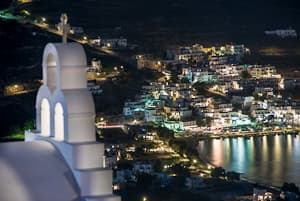
Near the end of the tour we visited the island of Amorgos, not far from Santorini. One evening we all went out to photograph a particularly great sunset. As we were walking back to the hotel, Dan noticed a shot of a classic Greek church with the small town of Aigiali behind it. He pointed it out and started shooting.
I immediately went into a panic. What do I do? It was dark. My camera would not focus and the metering system was flashing an error — okay, I could not even see the display, but something was clearly not working right. Dan fired off two or three frames before I could figure out how to get into manual mode. With his help I took control of my camera, and photography as I knew it has never been the same. It opened up a new way for me to express myself, and it taught me a skill that improved all the rest of my work.
In 2009 I decided to get my work on the web. Remembering what night photography had done for me, I wondered whether others might benefit from learning more about it — and whether the web was a good place to make that happen. I gave it a lot of thought and decided to go for it. But what should I call it? After a lengthy search, I came up with the word nocturnography:
nocturnography (noun) : Images collected by way of film or digital cameras during periods of darkness without the benefit of sunlight; as in between sunset and sunrise.
It covered a wide range of lighting conditions — from night to low light and even light painting. I loved it. So I bought the domain nocturnography.com, and there it sat for three whole years. Part of the delay was my reservations about publishing on the web, and part of it was personal — but that is another story.
I want this to be a sharing site. I plan to include material from others, not just my own. I hope to inspire and to be inspired. I want it to be a place you will return to often, to learn more about using and shaping light into a new art form — one that involves the extremes of low-light photography.
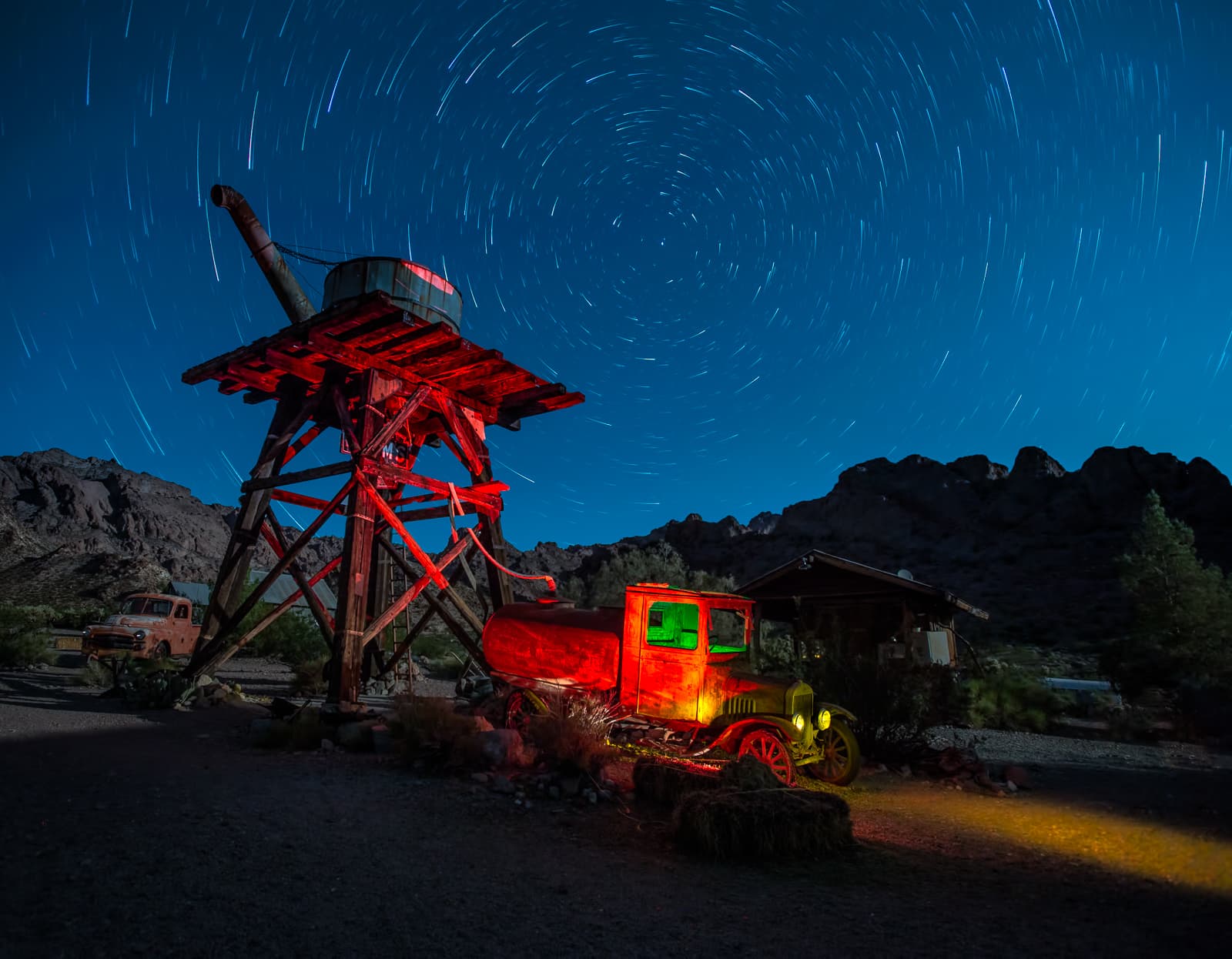
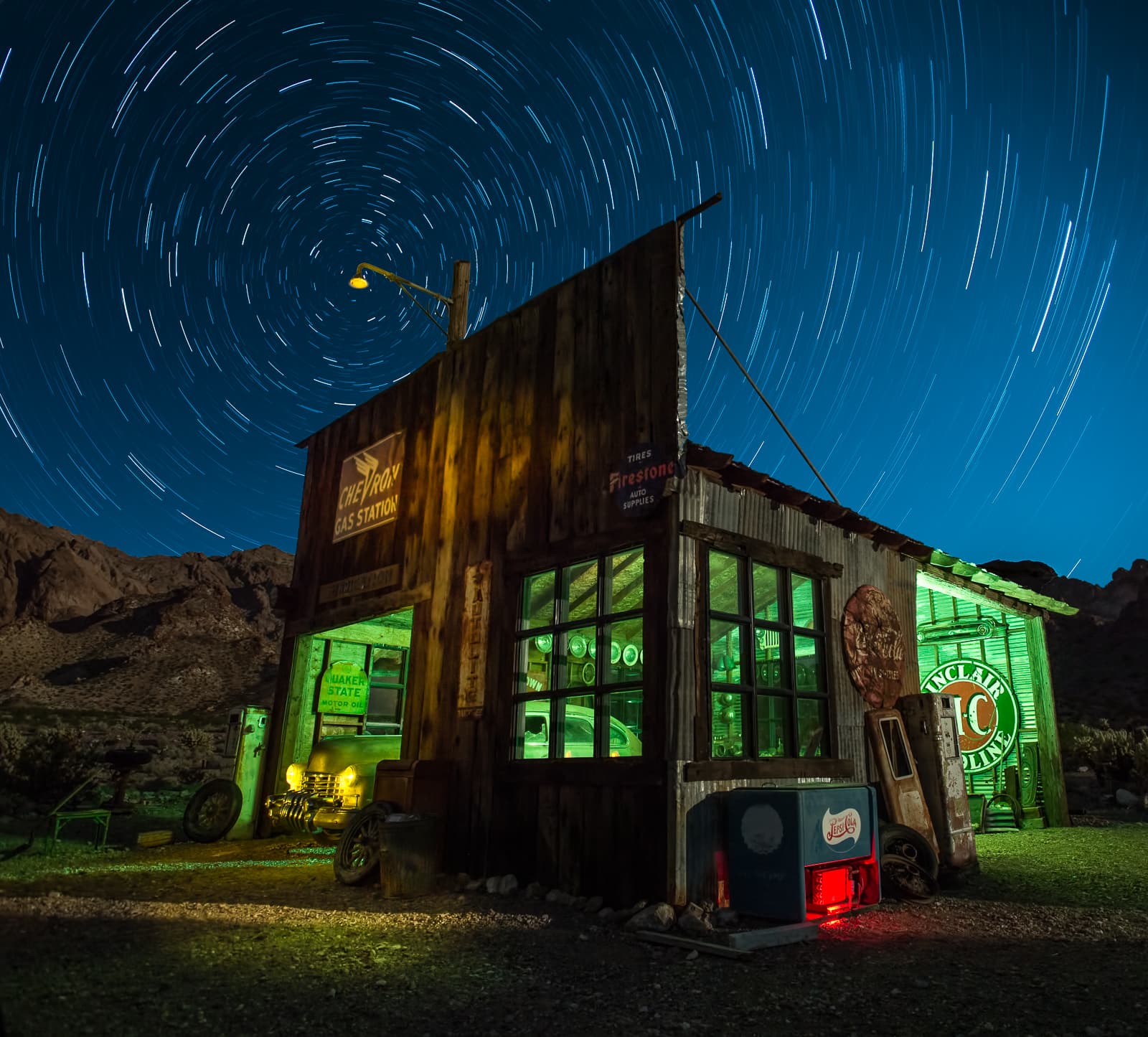
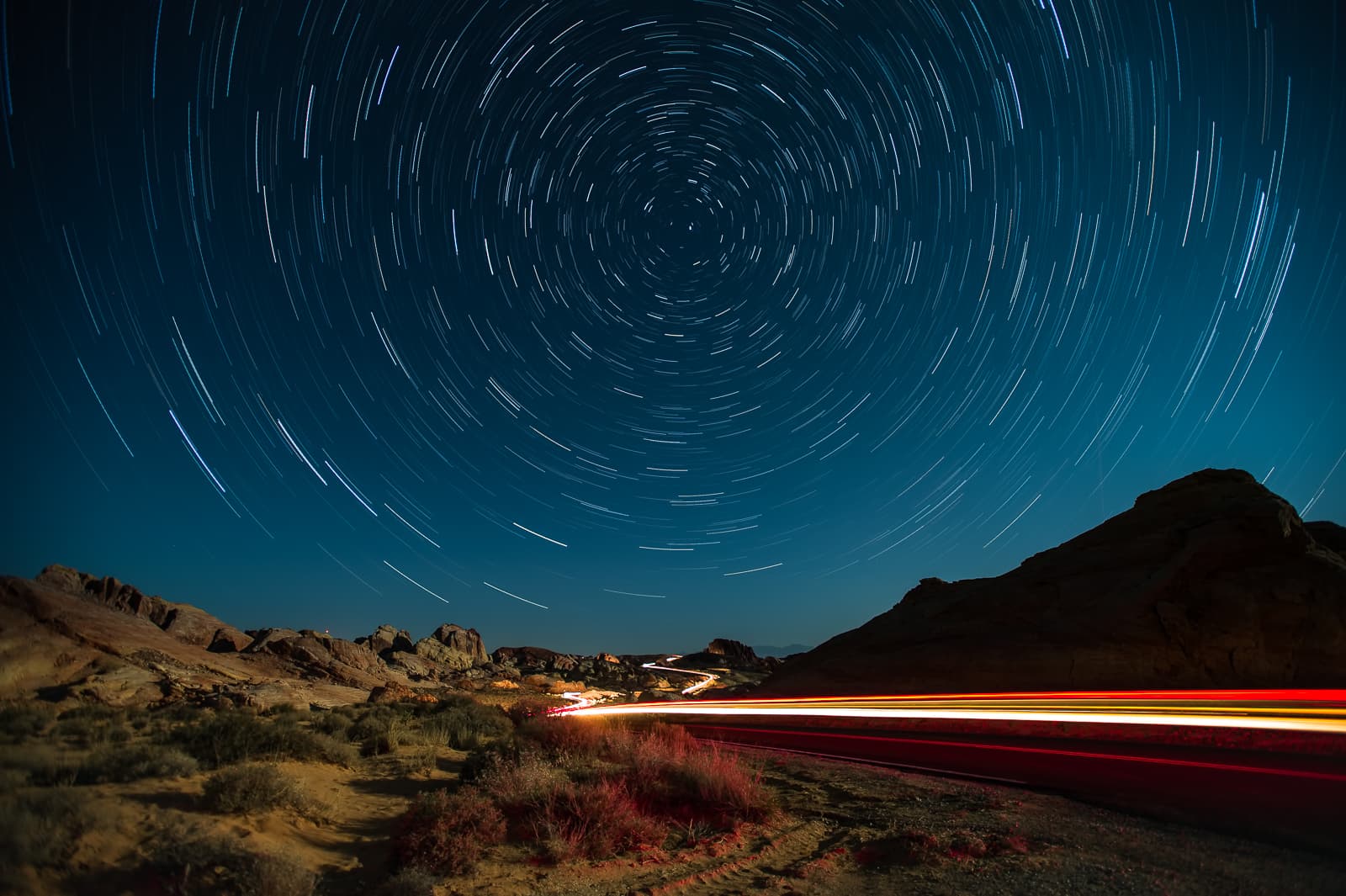
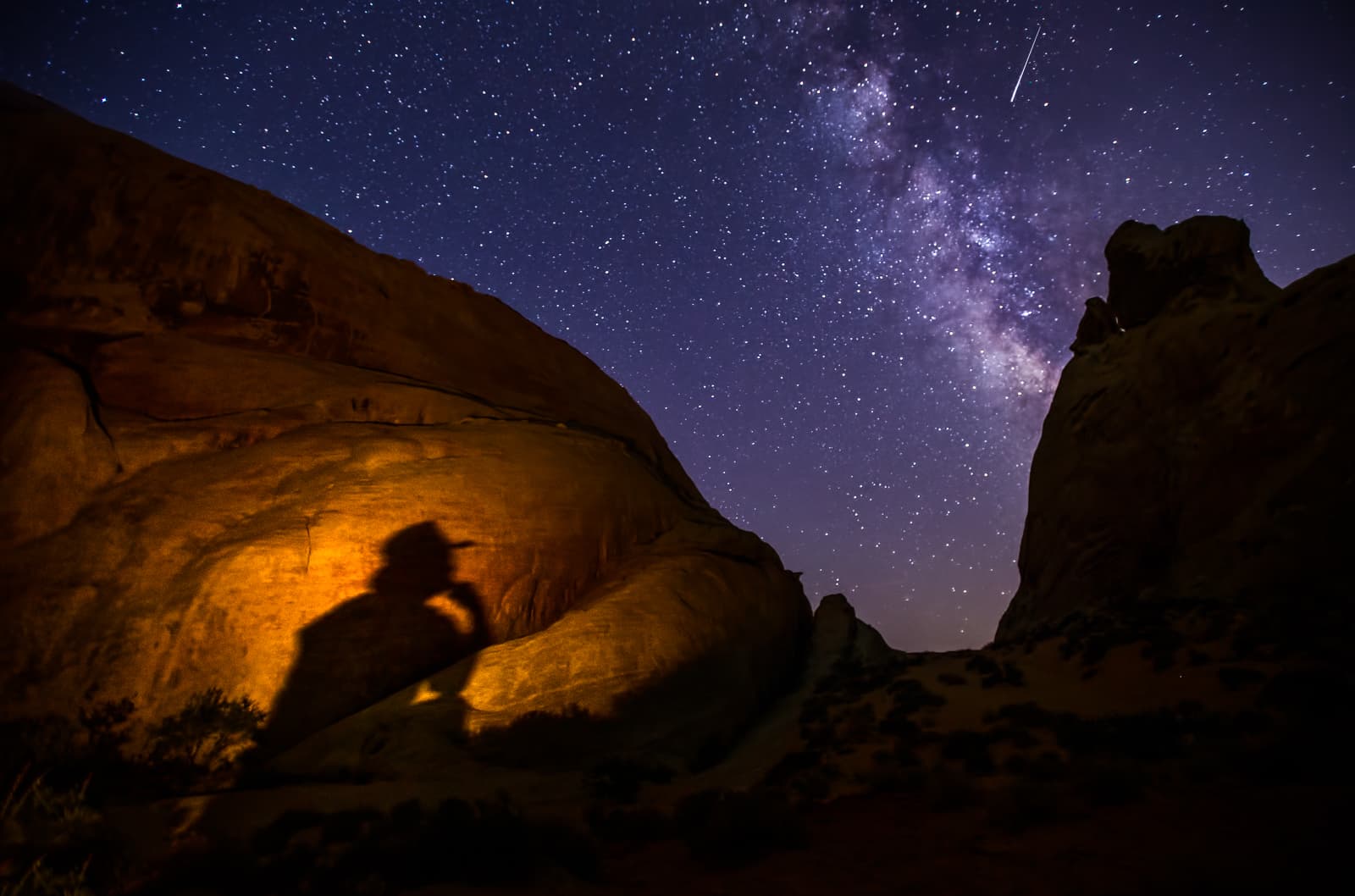
That is where the tagline “Finding Light In Darkness” comes from. There is a double meaning in it: finding the light in developing your own photographic art, and the way I felt that first time I tried night photography. It was an epiphany to learn that I could do this at all — and the “darkness” was the unknown of how to create images after dark.
If you run across something you would like to share, send it to me. You can reach me on the contact page.